
Charging
First Student’s depot charging comparison: $945,000 and four weeks above ground
Con Edison’s case study compares above-ground charging construction with two trenching scenarios. The full phase-one project was $3M.
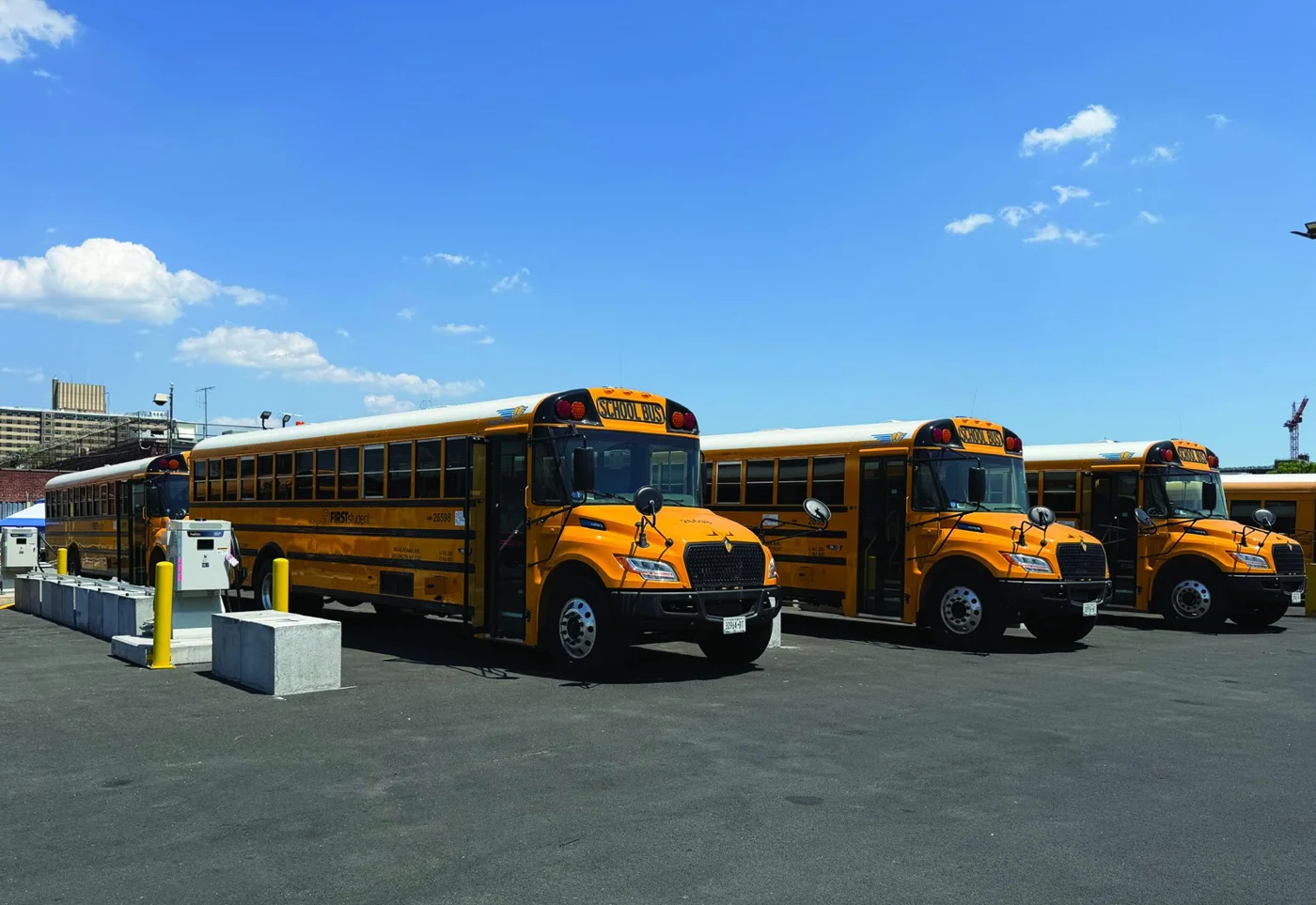
Con Edison’s school bus electrification case study gives a useful construction comparison for First Student’s New York City charging project. The above-ground First Charge option is listed at $945,000 and four weeks. Conventional underground trenching is listed at $1,070,000 and six weeks.
Add obstructions to the trenching scenario and the comparison rises to $1,125,000 and eight weeks. Those are construction options in the case study, not three separate completed depot projects. The total phase-one project cost is listed at $3 million, a different scope from the $945,000 construction figure.
What the first phase included
The first phase covered ten electric school buses and twelve fast chargers. The source pack describes First Charge’s above-ground installation over cement barriers. The chargers shown in the case study are branded Heliox FAST DC 44 kW units.
The cost and schedule comparison is the more useful part of this story than a charger count on its own. It shows what the case study puts against the above-ground approach: standard trenching, then trenching with obstructions. Each scenario needs to keep its own scope attached.
Do not turn one site into a universal saving
First Student’s September 15 release describes the work in Brooklyn and Queens with New York City’s education department. It cites a 13% lower construction cost and plans for forty more electric buses. Planned buses should not be added to the ten-bus first-phase count as if they were already operating.
The source pack also records a 19% difference for the obstructed-trenching comparison. Those percentages belong to the comparisons in this project. They are not a promise that every above-ground installation will save the same amount or finish in the same number of weeks.
Our take
This is a good example of why a depot charging story needs more than a headline power rating. Construction method, obstacles and project scope can change the comparison before anyone discusses how the buses charge.
For another fleet, the useful exercise is to ask for both construction approaches in the site estimate and keep the assumptions visible. This case study supplies a concrete example, not a universal budget. We would want the next update to show how the expanded bus fleet and its charging installation perform in service.
More reporting →